 What is Ski Profile? Understanding Camber vs. Rocker
What Is Ski Profile? Understanding Camber vs. Rocker
Posted
by
Skis.com
on Friday, May 15, 2026
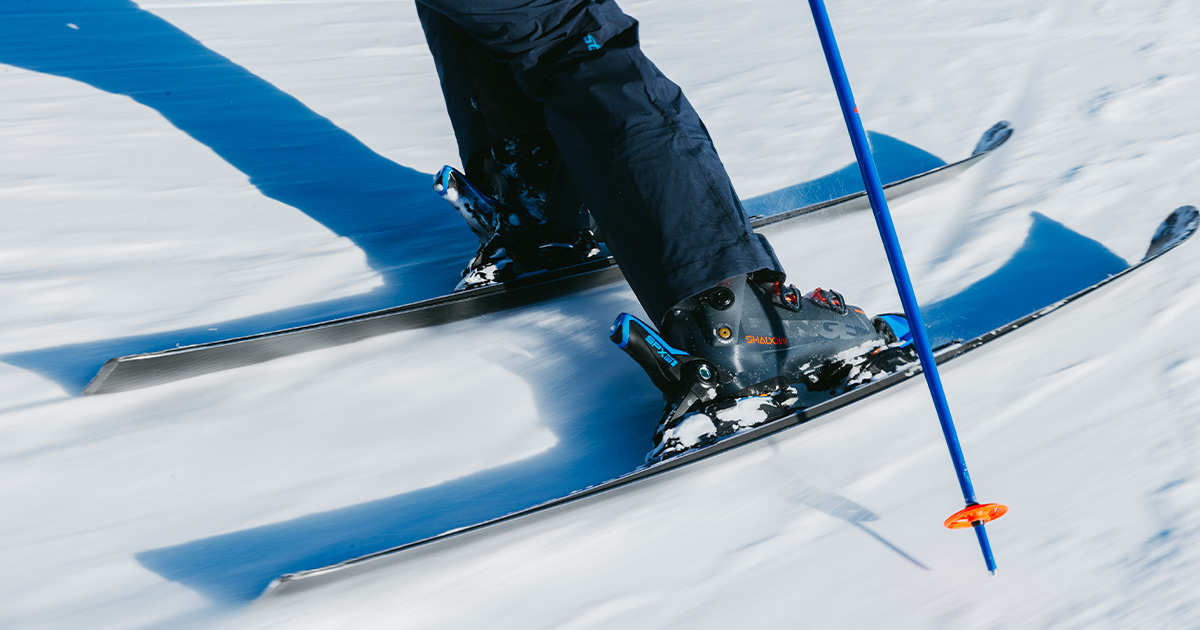
If you've ever laid your skis on the ground, you've probably noticed they don't lie completely flat. Parts of the ski curve up off the surface. That shape, viewed from the side, is called the ski profile, and it has a bigger impact on how your skis feel and perform than almost any other design element.
The two building blocks of a ski’s profile are camber and rocker. They affect how the ski turns, its edge hold, and how it performs in different conditions like powder vs hard-packed snow. Let’s break it down…
Camber
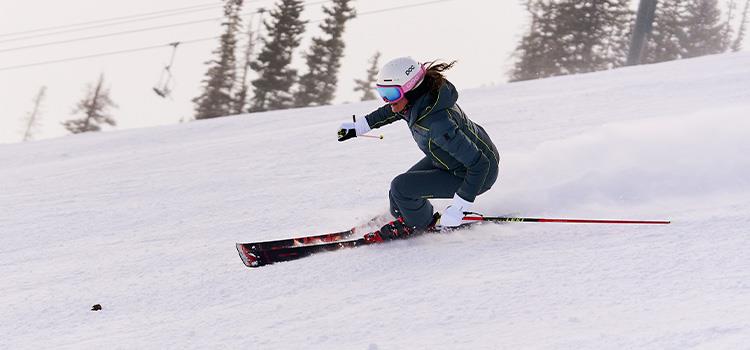
What is camber? Camber is the upward bow or curve in the middle of the ski, right where your bindings sit. When the ski is unweighted and lying flat, that middle section arches off the ground. The main purpose of camber is to distribute your weight across the entire length of the ski for better edge hold.

As you initiate a turn, your weight flattens out the camber, distributing your weight, giving you that stable feel as your edges grip the snow. As you move out of the turn and release some pressure, the ski acts like a spring, wanting to return to its camber shape. As a result, giving you that “pop” of lively feel.
Why is camber important? By spreading your weight across the ski's entire length, camber maximizes edge contact with the snow. More edge contact means better edge hold, especially on firm or icy conditions. It allows skiers to make sharp, snappy, and aggressive turns, all while being really stable.
The trade-off: Camber is not as forgiving. The tip and tail sit closer to the snow, which makes catching an edge more likely, particularly in soft or variable conditions. For that reason, heavily cambered skis aren’t the best choice for beginner skiers.
Rocker
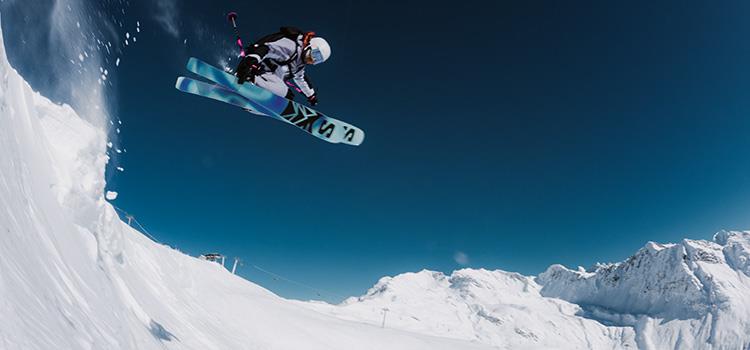
What is rocker? Introduced to the ski world in the early 2000s, ski rocker took its inspiration from water skis. The idea was to mimic how water skis stay on top of the water rather than cut through it. Also referred to as reverse camber, rocker mimics the curve of the bottom of a rocking chair. The tip and tail of the ski lift up and away from the snow.

Why is rocker important? Rocker makes a huge difference in powder, where that upturned tip keeps the ski on top of the snow. It's also more forgiving, making it quicker and easier to initiate turns and reducing the chances of catching an edge.
The trade-off: Rocker shortens the ski's effective edge, the portion of the edge actually in contact with the snow. Less contact makes the ski less stable at high speeds and reduces its edge hold on hard-packed or icy groomers.
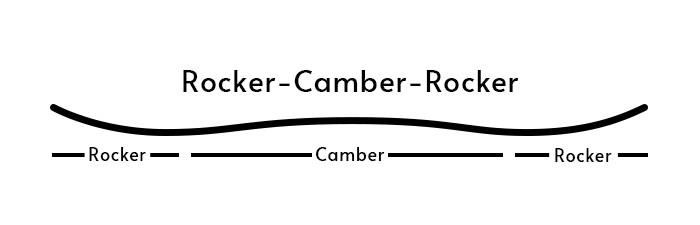
If you want something playful and surfy, look for a ski with more rocker. If you prefer sticking to groomers and want maximum edge hold, stability, and precision, a ski with more camber may be the better fit. And if you’re looking for one ski that can handle just about anything on the mountain, an all-mountain ski with a blend of rocker and camber is a great choice.
Of course, ski profiles are just one piece of the puzzle. Width, flex, and construction all play a role in how a ski feels on snow. But understanding ski profiles gives you a strong starting point for narrowing down your options and finding a ski that matches how and where you like to ski.
Related Articles:
How to Pick the Right Skis
Different Types of Skis Explained
What are Freeride Skis? All Mountain vs Freeride vs Powder Skis
Categories:
Buying Guide
Tagged: Ski