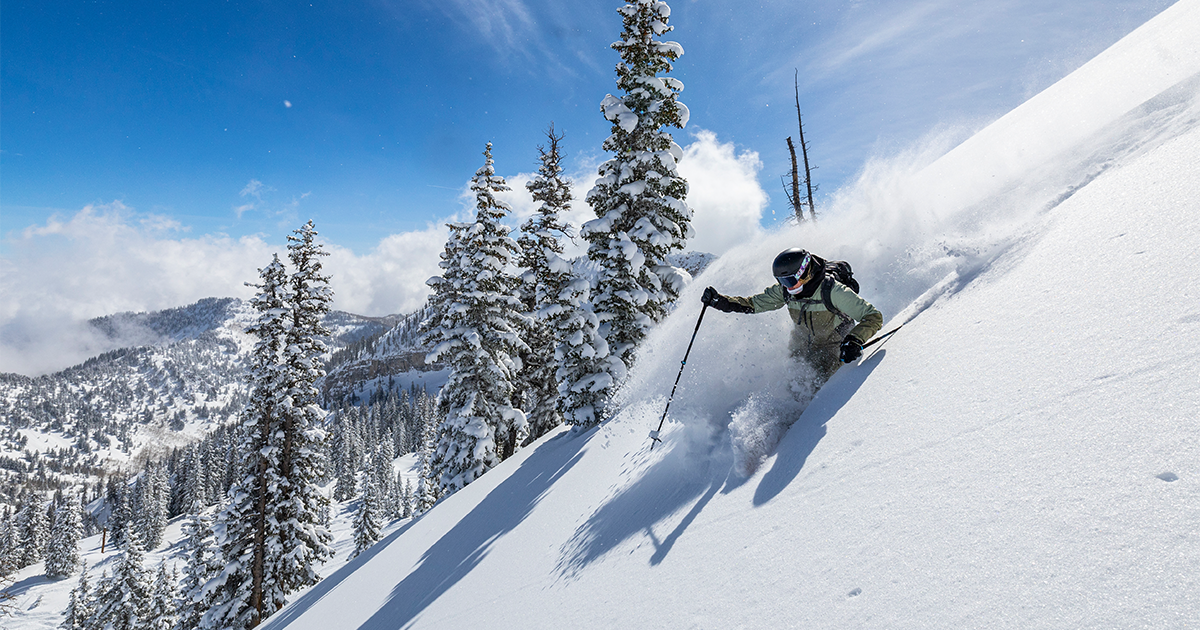
 What Are Freeride Skis? All Mountain vs Freeride vs Powder Skis
What Are Freeride Skis? All Mountain vs Freeride vs Powder Skis
Posted
by
Bianca Chang
on Friday, August 1, 2025
When you're shopping for your next pair of skis, deciding between all-mountain, freeride, and powder skis can get overwhelming fast. Are all-mountain skis really built for everywhere? Do you actually need a dedicated powder ski for that trip out West? To make things easier, we’ve broken down what sets these categories apart. While these labels help highlight key features like profile, width, and flex, it’s just as important to consider your personal skiing style and preferences when choosing the right ski.
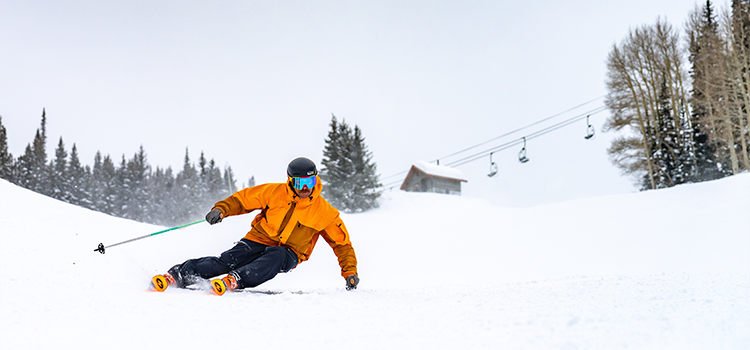
All Mountain Skis: Versatility First
All-mountain skis are the do-it-all workhorses of the ski world. Whether you're carving groomers, navigating chopped-up afternoon snow, or dipping into a little off-piste terrain, these skis can handle a bit of everything. They’re ideal for skiers who want one ski to take anywhere on the mountain.
All-mountain skis typically range from 80mm to 100mm underfoot, offering a sweet spot between agility on hardpack and float in softer snow. Their moderate flex strikes a balance between stability and playfulness, while the typical camber with a slight rocker profile adds edge grip and maneuverability.
Who They’re For:
From beginners still exploring their style to advanced skiers who want a one-ski quiver, all-mountain skis are the most versatile option.
- Best For: Groomers, mixed snow, light powder
- Terrain: All over the mountain
- Profile: Camber with rocker in tip and tail
- Width: ~80–100mm underfoot
- Flex: Moderate

Freeride Skis: Built for Big Terrain
Freeride skis are purpose-built for adventurous skiers seeking steep lines, variable snow, and big-mountain terrain. These skis are wider, burlier, and better suited for the unpredictable terrain you'll find off-piste and in the backcountry.
With widths typically over 100mm underfoot, freeride skis offer better float in soft snow without sacrificing stability. More pronounced rocker, especially in the tip, helps with turn initiation and keeps the skis from diving in deeper snow. They usually feature a stiffer flex, giving you the power and control needed when navigating steeps, cliffs, and crud.
Who They’re For:
Intermediate to expert skiers who prefer off-piste terrain and want the confidence to charge through variable conditions.
- Best For: Off-piste, back bowls, steeps
- Terrain: Some groomed trails, but mostly big-mountain and ungroomed runs
- Profile: more pronounced rocker, especially in the tip of the ski
- Width: Usually 100mm+ underfoot
- Flex: Stiffer for control and stability
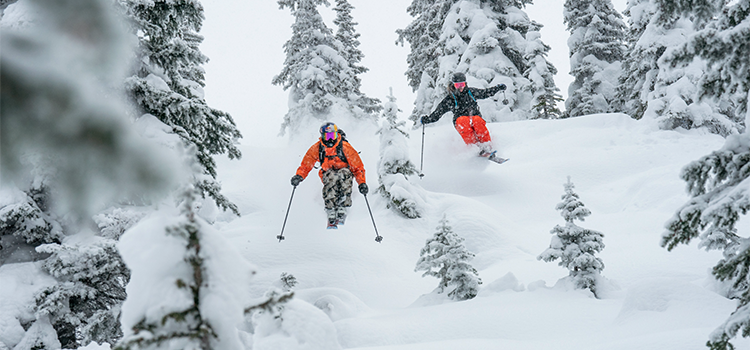
Powder: Float First
When it dumps, powder skis shine. Designed specifically for soft, deep snow, powder skis are the widest and most float-oriented skis available. Their extra width, typically 115mm to 125mm underfoot, keeps you surfing on top of the snow rather than sinking in.
You can find full-rocker powder skis, but most have a generous amount of rocker and some camber underfoot to help the ski stay nimble and floaty in deep conditions. A softer flex, particularly in the tip and tail, allows easier turn initiation and absorbs bumps in uneven powder fields, while a stiffer flex underfoot helps with stability. Many skiers also opt for a longer length to enhance float and stability in bottomless conditions.
Who They’re For:
Experienced skiers chasing fresh snow and deep days, especially in places where powder is plentiful.
- Best For: Deep powder and soft snow
- Terrain: Common out west where deep snow, bowls, and snow days are plentiful.
- Profile: Aggressive rocker profile with some camber underfoot, sometimes full rocker
- Width: around 115–125mm underfoot
- Flex: Softer in tip and tail for float and ease
- Length: Often longer for added float
Whether you're carving groomers, hunting for powder, or tackling steep off-piste lines, the right ski makes all the difference. All-mountain skis offer versatility across a range of conditions, freeride skis are built for charging big terrain, and powder skis are your best friend on deep days. While each category has its strengths, the best choice ultimately depends on where you ski most and what kind of experience you're looking for. Understanding the key differences in width, flex, and profile can help you find the perfect match for your style and make every day on the mountain that much better.