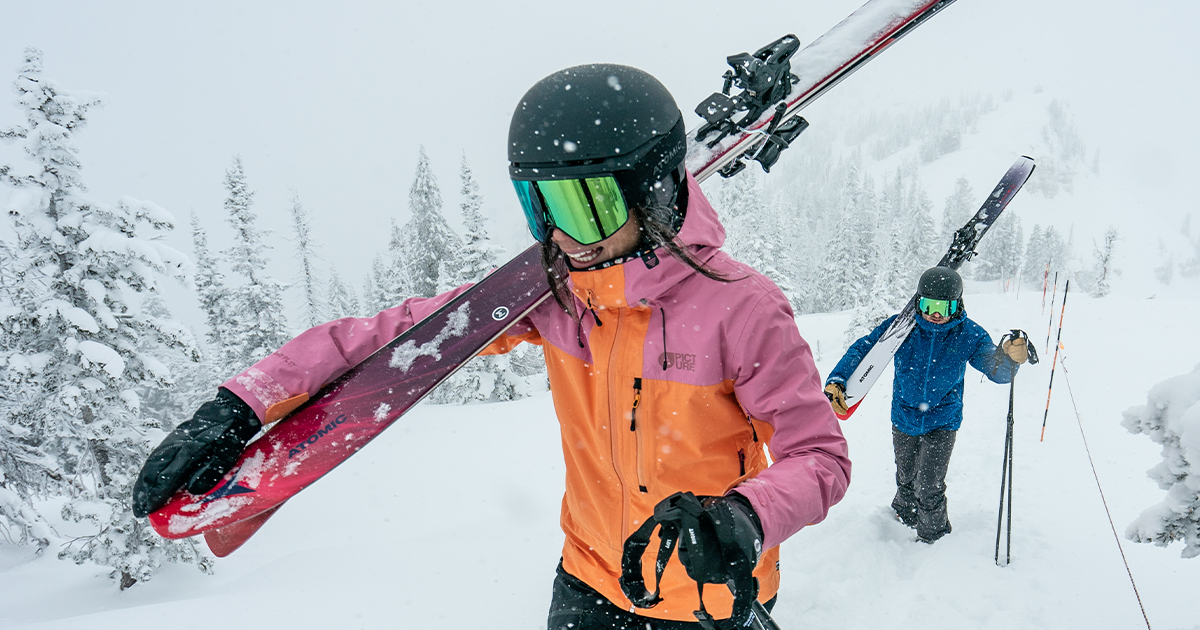
 How To: Choose the Right Ski Helmet
How To: Choose the Right Ski Helmet - Fit, Features & Safety Tips
Posted
by
Skis.com
on Monday, May 25, 2026
Choosing the right ski helmet is essential for both safety and comfort on the mountain. While no helmet is completely concussion-proof, a properly fitted ski or snowboard helmet can significantly reduce the risk of serious head injuries. It also helps retain warmth in cold conditions.
In this guide, you’ll learn how to measure for a helmet, get the perfect fit, and choose the best features to stay safe and comfortable all season long.
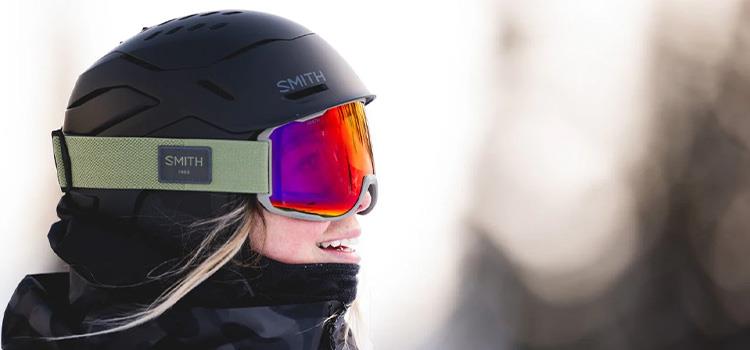
How to Measure for a Ski Helmet
The first step to finding the right helmet is determining the right helmet size. To do this, measure the circumference of your head in centimeters:
- Use a soft measuring tape and wrap it around your head, about 1 inch above your eyebrows and ears.
- Make sure the tape stays level from front to back.
- Don't have a measuring tape? Use a string, then measure with a ruler.
Once you know your head size, check the helmet’s size guide to find your helmet size. The chart below contains general measurements that may vary from brand to brand. Be sure to check the specific brand and helmet to ensure the correct size for you.
Universal Ski Helmet Size Chart
Adult Helmet Size:
| Size |
Head Circumference |
| Small |
52-55.5 cm |
| Medium |
55.5-59 cm |
| Large |
59-62.5 cm |
| Extra Large |
62.5+ cm |
Youth Helmet Size:
| Size |
Head Circumference |
| Extra Small |
48.5-52 cm |
| Small |
52-55.5 cm |
| Medium |
55.5-59 cm |
Pro Tip: Avoid buying a helmet for kids with extra room to grow. A helmet that's too big is unsafe and may not protect properly in a fall.
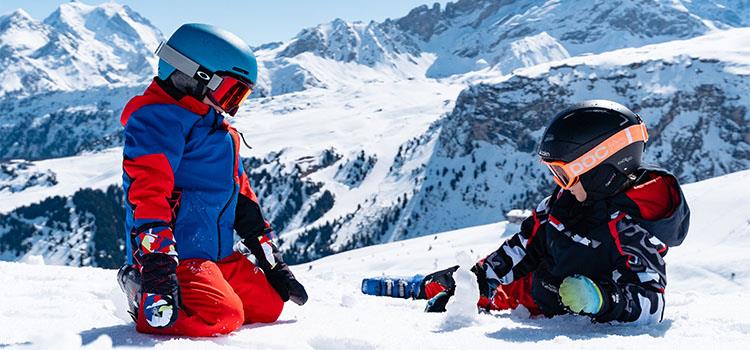
Ensure a Proper Fit
Once you have your helmet, it’s time to try it on and check for fit and comfort.
1. Adjust the Fit System
Many helmets have a dial in the back to adjust the fit.
- Loosen the dial before putting the helmet on.
- Once on, tighten the dial until the helmet fits snugly around your head.
If the dial is maxed out in either direction, you should choose a different size.
2. Visual Test
The helmet should land in the middle of your forehead, about an inch above your eyebrows. If it's touching your eyebrows, it's too big. If it's showing off most of your forehead, it's too small.
3. Test for a Snug Fit
First, shake your head side to side and up and down. If the helmet shifts or wobbles, it's too loose.
Next, stand in front of a mirror. While keeping your head still, place your hands on either side of the helmet, right above your ears. Try rotating the helmet up and down. You'll know if your helmet is snug enough if your eyebrows wiggle up and down with the helmet.
4. Adjust the Chin Strap
The final step is to adjust the chin strap to ensure the helmet stays in place during a fall. The chin strap should be tight enough so that no more than one or two fingers can fit between the strap and your chin.
Helmet Fitting Tips: Avoid wearing bulky hats or hair accessories under your helmet, they cause an improper fit.
If you need extra warmth, use a thin balaclava or helmet liner designed to fit under helmets.
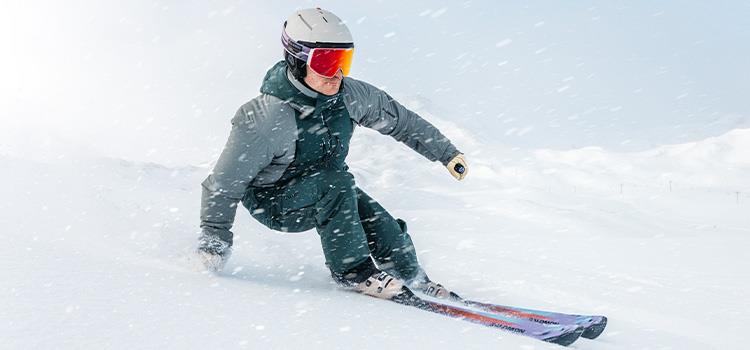
Ski Helmet Features to Look For:
Fit Adjustment Dial:
A fit system dial at the back of the helmet lets you fine-tune the fit. Look for one that’s easy to use, even with gloves on.
Helmet Ventilation:
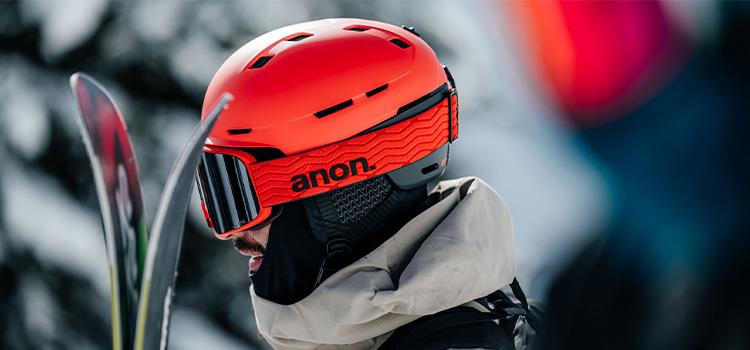
Ventilation systems built into the helmet help regulate temperature and reduce fogging in your goggles.
- Fixed Vents: Provide constant airflow.
- Adjustable Vents: Let you open or close vents depending on weather and activity.
- Zoned Venting: Control airflow in specific areas (e.g., open the rear vents but close the front).
MIPS Technology: What is MIPS?
MIPS stands for multi-directional impact protection system. MIPS is a thin, low-friction layer between the shell of your helmet and the liner, designed to move 10 to 15 mm on certain angled impacts, thereby reducing rotational forces and noticeably reducing brain and head trauma. It’s increasingly common in modern ski and snowboard helmets due to its added safety benefits.
When Should I Replace My Ski Helmet?
Even if your helmet looks fine on the outside, it may still be compromised after a hard fall. Here’s when to replace it:
Regularly inspect your helmet for signs of damage, cracks, or interior foam breakdown.
How Should My Ski Helmet Fit With Goggles?
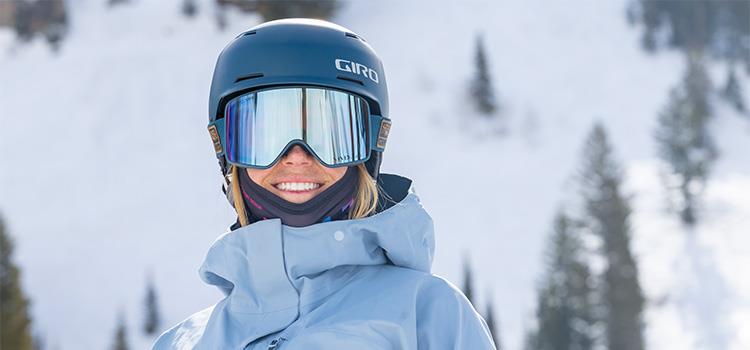
Your ski goggles and helmet should work together for a seamless fit.
- The helmet should sit about an inch above your eyebrows.
- The top of the goggles should align with the front of the helmet, with no gap.
- If goggles press uncomfortably into your cheeks or nose, you may need a different helmet or goggle size.
A well-fitting ski helmet is one of the most essential pieces of ski gear you can own. It enhances your safety, keeps you warm, and gives you the confidence to enjoy your time on the slopes. Use this guide to find the perfect fit and features for your next ski or snowboard adventure.
Categories:
Buying Guide
Tagged: Ski Accessories, Helmet, How to Choose