 What To Buy First As A Beginner Skier
What To Buy First As A Beginner Skier: What You Actually Need
Posted
by
Bianca Chang
on Monday, August 3, 2026
So you’ve started skiing, or you’re gearing up for your first day on the slopes, and you’re looking to invest in some of your own equipment, but you're not sure where to begin. We’ve got you covered.
The first few days out skiing, you can get away with borrowing clothes from a friend or renting equipment at the mountain, but at some point, you’ll want your own setup, and as you’ve probably figured out, skiing costs can add up fast between clothing, equipment, travel, and lift tickets.
So we’ve put together a list of things you actually need as a beginner skier, what to prioritize buying first, and how to save money along the way so you can enjoy skiing without completely breaking the bank.
Start With the Basics
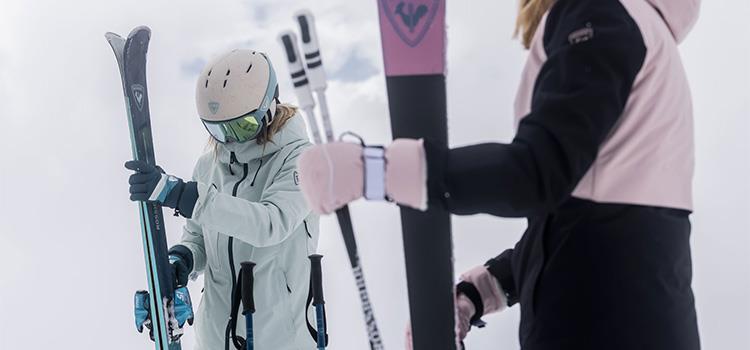
For your first few days on snow, focus on gear that will keep you warm, dry, and safe while skiing. Don’t stress about owning everything right away. Renting skis and boots is totally fine while you’re still finding your footing (literally). As you progress, you can start building out your setup piece by piece.
Here’s what I recommend getting first:
- Ski Clothing: Jacket, pants, gloves or mittens, ski socks, and baselayers
- Accessories (these can be optional depending on the conditions you’re skiing): Neck gaiters or balaclava, mid-layers, hand warmers
- Ski Helmet
- Ski Goggles (again, optional depending on conditions)
- Ski Boots
- Skis
- Ski Poles
Ski Clothing
Whether it’s your first day skiing or you're a seasoned pro, the priority is staying comfortable outside. You don’t need premium Gore-Tex or a three-layer shell right away, but you do want pieces that are waterproof, warm, and practical.
- Waterproof Ski Jacket & Snow Pants - Look for a jacket and pants with around a 10K waterproof rating. This will keep you dry and is a solid piece that will last a few years. An insulated jacket and pants are a good call for beginners since they provide built-in warmth without needing to layer as much. When shopping for ski outerwear, look for these handy features: a helmet-compatible hood, adjustable cuffs and hems, and a lift pass pocket. If you decide to go with a shell (no built-in insulation), plan to layer up underneath.
- Waterproof Gloves or Mittens - As a beginner, you’re going to find yourself on the ground a bit, so a waterproof glove or mitten is a must. Choose gloves for better dexterity or choose mittens for more warmth, depending on what you need.
- Ski Socks - It may seem like a silly purchase, but no one likes cold toes, so investing in a pair of ski socks early is worth it. A good pair of merino wool ski socks will keep your feet warm even when wet (unlike cotton, which gets cold and stays cold). Ski socks are made to stretch over your calf for a better, more comfortable fit in your ski boots.
- Quality Baselayer - Again, avoid cotton. You may already have something that can work for your first day or two. As you ski more, it’s smart to upgrade to merino or merino-blend baselayers for better warmth and moisture management.
Cold Day Accessories
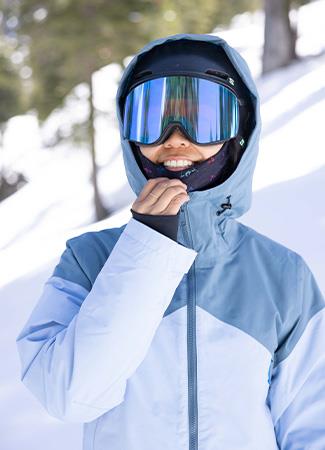
These aren’t always necessary at first, but they definitely make a big difference on super cold days, so it’s always good to have on hand:
- Neck gaiter or balaclava - for extra warmth around your neck and head
- Mid layer - something to wear under your ski jacket and over your baselayer for extra warmth. You may already have something in your closet like a light puffer or fleece quarter zip
- Hand warmers - for your gloves and boots on extra cold days
Ski Helmet
If there’s one piece of gear worth owning sooner rather than later, it’s a ski helmet. You can rent one at most mountains, but if you plan to ski even a few times this season, buying your own makes sense. With used or rental helmets, it’s hard to know if a helmet’s ever been in a fall and if it’s still safe, so it’s worth investing in your own helmet. You can find a good ski helmet for around $100 to $200.
Ski Goggles
Ski goggles aren’t essential on day one, but you’re bound to find yourself in different weather conditions that will warrant goggles. Whether that’s a super bright, sunny bluebird day or some snow flurries, goggles help you see better and keep wind, snow, and cold air off your face. It’s also less common that ski goggles are available to rent, so finding a solid, basic pair of ski goggles is all you need to start. You can find ski goggles for starting around $50 to $100, and depending on the features you want, you can get them for $200 or more.
Ski Equipment
Once you’ve gotten a few ski days in and decided skiing is officially your thing, it’s time to think about your own equipment.
Renting skis equipment for your first few times is completely reasonable. It gives you the chance to try learning without a big upfront investment, and rentals are more than enough to get the basics down. But, at some point, you will begin to progress and outgrow your rental equipment, or you might want ski equipment with updated tech, find something that’s a bit more comfortable, save yourself some time rather than waiting in line at the rental shop, or just be ready for a setup that’s truly yours. Here’s where to start.
Ski Boots
The most important part of your ski setup is your ski boots. They are the direct connection between you and your skis, which impacts the level of control and comfort while on the hill.
Ski boots can be a bit of an investment, but budgeting for properly fitted boots that will last multiple seasons is absolutely worth the time and cost. For your first ski boots, it’s a good idea to talk with an experienced boot fitter at your local shop who can help guide you on what will work best for your size, your ability level, skiing preferences, and your goals as a skier. To get an idea of what to look for when it comes to ski boots and do a bit of research beforehand, check out our guide on How to Pick the Right Ski Boots.
Skis
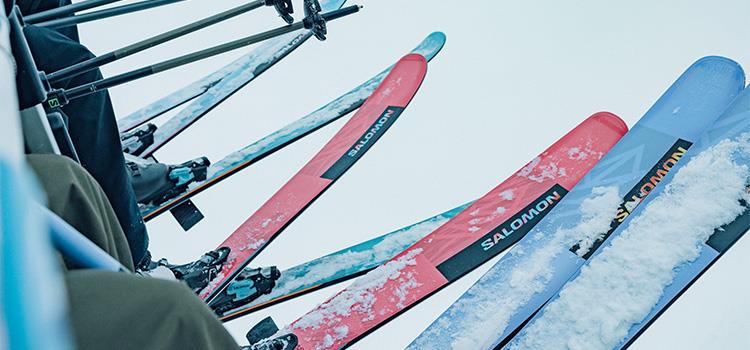
Once you’ve figured out your ski boot situation, the next step is finding skis. If you’re unsure about what skis are best for you, talk with a skis.com ski expert, and we can help nail down a ski that fits your ski preferences and ability level.
When it comes to purchasing your own skis, you have the option to buy system skis or flat skis.
System skis come with bindings included and mounted on a track system. They’re a great option for first-time buyers because they’re cost-effective and there is a wide selection of beginner system skis to choose from. For many beginners, system skis are a great first purchase.
Flat skis are purchased without bindings, but are bought separately and mounted to the skis based on your specific ski boots. The upside to flat skis is the wide variety of types of skis available, a lighter overall setup, and the freedom to choose your own bindings.
To learn more, read up on our blog: System vs. Flat Skis: What's the Difference?
Ski Poles
The final part of your equipment set up are ski poles. Most of the time, it's best for beginners to start without poles. It’s one less thing to worry about while learning the basics.
Once you’ve graduated from the bunny hill and can make some turns, poles become helpful for getting around the mountain and navigating lift lines. You don’t need anything fancy when it comes to ski poles, just make sure to get the right length for you.
Read more: How to Choose Ski Poles
Best Time To Buy:
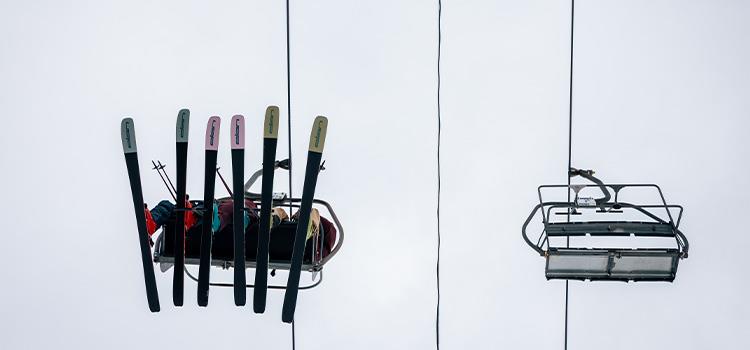
Timing your purchases can save you a lot of money. The best deals on ski gear typically show up during the off-season. End-of-season sales usually kick off around March and April, and you can continue to find deals throughout the summer. You can also score pre-season sales around September and October before the chaos starts.
Look out for holiday weekends like Memorial Day, the 4th of July, Labor Day, and Black Friday for some of the biggest discounts of the year. And don’t forget to check out your local ski shop. Many run special sales throughout the season, like gear swaps and consignment sales that are perfect for finding lightly used gear or upgrading your current setup.
The trick to getting the best deals is planning ahead and looking early before the snow starts falling.
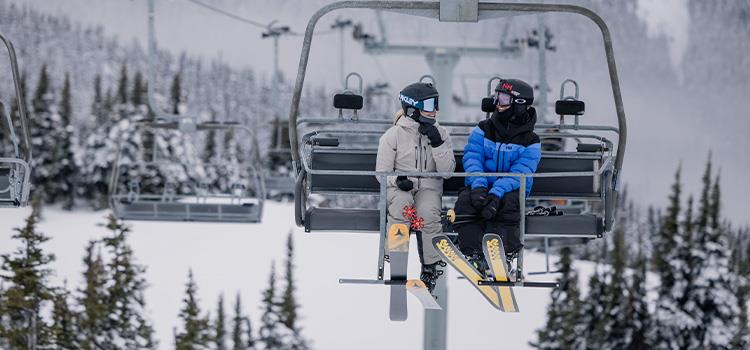
As a beginner, you don’t need to buy a full setup right away. Start by investing in solid ski clothing and safety gear that keeps you warm, dry, and protected on the hill. From there, you can build your setup one piece at a time, beginning with ski boots when you’re ready to make the jump to your own equipment.
Taking this approach is easier on your wallet, and it almost always leads to smarter gear choices down the road because by the time you’re buying skis, you actually know what you want. Most importantly, don't get too caught up in the gear. The best setup in the world means nothing if you're not out on the mountain enjoying it. Get out there, have fun, and the gear will follow.
Related Articles:
Expert Tips: How to Prepare for Your First Time Skiing
How to Pick the Right Skis
How to Pick the Right Ski Boots
How to Pick Ski Poles
How to Layer for Skiing: The Ultimate Guide to Staying Warm and Comfortable on the Slopes
Categories:
Skills & Advice
Tagged: Checklist, Beginner Tips, How to Choose, New Gear