 How to Layer for Skiing: The Ultimate Guide to Staying Warm and Comfortable on the Slopes
How to Layer for Skiing: The Ultimate Guide to Staying Warm and Comfortable on the Slopes
Posted
by
Bianca Chang
on Wednesday, September 10, 2025
Proper layering for skiing isn’t just about staying warm — it’s about staying comfortable, dry, and ready for anything the mountain throws your way. Whether you're carving fresh powder or tackling icy runs, the right ski layering system ensures optimal temperature regulation and protection from the elements.
In this layering guide for skiing, we’ll break down the three essential layers — baselayers, mid-layers, and outer layers — and help you choose the best materials, fits, and styles for each.

The Basics: Why It's Important to Layer
Skiing exposes your body to varying temperatures, wind chill, and moisture. Proper layering creates a system that:
- Provides warmth and insulation
- Manages moisture to keep you dry
- Regulates body temp so you're not too hot or cold
- Adds versatility so you can adjust as conditions change
An adaptable system is key for everyone from beginners to seasoned skiers, making it easy to add or remove pieces throughout the day.
The Baselayer: Wicks Away Moisture and Keeps You Warm
The baselayer is worn closest to your skin and plays a crucial role in moisture management and temperature regulation.
The Purpose of Baselayers
- Wick moisture away, meaning it moves moisture like sweat away from the body, allowing it to evaporate quickly and keep you dry.
- Insulate by trapping body heat.
- A breathable layer to prevent overheating and excessive sweating while skiing.
Material for Ski Baselayers
Natural fibers like merino wool and synthetic fabrics like polyester make great choices for baselayers. Merino wool is arguably the best baselayer material thanks to its natural moisture-wicking, odor-resistant, and warmth properties. Baselayers, like the ones from Smartwool are a fan favorite for their performance and comfort. Some choose synthetic fabrics over merino wool because they offer similar performance and are more affordable and durable, but lose a bit of warmth compared to merino.
When choosing a baselayer, it’s important to avoid cotton. Though it’s breathable, cotton retains moisture and loses insulating power when wet.
👉 Shop Men's Baselayers & Women's Baselayers
How Should Baselayers Fit?
Ski baselayer tops and bottoms should fit comfortably and snugly against the body without feeling too tight or constricting. A loose-fitting base layer will be less effective at wicking moisture and insulating.

Midlayer: Insulate and Trap Body Heat
The midlayer sits between your base and outer layer to trap body heat and keep you insulated. Depending on the conditions, you can skip the mid layer on warmer days or layer up two midlayers on super cold days.
Types of Midlayers
- A common midlayer is a fleece. They’re available in lightweight to heavyweight styles and are breathable and great for layering.
On colder days, a down or synthetic insulated layer will provide more warmth:
- Down insulation offers superior warmth while remaining lightweight and packable. Perfect layer to wear on a cold morning and stash away after lunch.
- Synthetic insulation insulates even when wet and dries quickly. Synthetic insulation is more affordable than down and a great alternative in wetter conditions.
- Vests are a great layering piece that keeps your core warm without restricting arm movement. It’s a good choice for active skiers or milder conditions.

Outerlayer: Protection From the Elements
The outer layer is your first line of defense against the elements — shielding you from snow, wind, and cold. It plays a crucial role in keeping you dry and comfortable throughout your day on the mountain.
Key Features to Look For
- Waterproofing – Choose outerwear with at least 10K waterproofing for solid protection against snow and moisture (We recommend a 5K waterproof minimum for skiing, but higher ratings offer better protection).
- Breathability – Since skiing involves both high-intensity movement and downtime on lifts, breathable fabrics help regulate body temperature and prevent overheating. Breathability ratings are usually listed with waterproof ratings.
Shell vs Insulated Outer Layers
- Shell – Lightweight, waterproof, and ideal for layering. Shells are extremely versatile, making them ideal for everything from warm spring days to frigid mid-winter conditions.
- Insulated – Built-in insulation adds warmth, reducing the need for additional layers. While convenient for colder days, they’re less adaptable when temperatures rise.
Ski Pants vs Bibs
- Ski pants offer more convenience and tend to offer more room in the legs and thighs. Ski pants are also more affordable and a good choice if you run warm or prioritize simplicity.
- Ski bibs provide superior snow protection, more warmth, and extra storage. Plus, no worries about your pants slipping. Look for designs with a drop seat for more convenience.
Extra Outerwear Features to Consider
Beyond waterproofing and breathability, certain features can make a big difference in comfort and convenience on the mountain:
- Vents – Underarm or thigh zipper vents help quickly release heat.
- Taped Seams – Reinforced seams that prevent water from seeping through, enhancing your jacket or pants' waterproofing. Some outerwear has critically taped seams, meaning the waterproof seam tape is applied to high-use areas, while others may have full seam taping on all seams.
- Pockets – Consider the number of pockets a jacket or pants has. Look for handy storage options like internal chest pockets, a phone pocket to keep your battery warmer, and a pass pocket on the sleeve to keep everything organized and easily accessible.
Investing in quality outerwear not only keeps you protected but also elevates your overall skiing experience – so you can focus on your turns, not your discomfort.

Accessories
Complete the kit with accessories like socks, gloves, a hat, and a neck gaiter that trap additional warmth and provide protection from the wind and cold.
Socks
Think of ski socks like baselayers – they should be insulating, moisture-wicking, and breathable for comfortable, all-day wear. For skiing and other winter activities, look for merino wool socks or synthetic blend socks. Just like base layers, you’ll want to avoid cotton because it traps moisture close to the body.
Thickness
For skiing, choose thinner socks. Some brands label these as targeted cushion or zero cushion socks. Others may use the terms midweight, lightweight, or ultra-lightweight socks. Thinner socks provide a better fit in your ski boots. Too thick socks can cause uncomfortable bunching, sliding in the boot, and an overall uncomfortable fit.
Fit
Socks should fit snug without being restrictive, especially around the toes or calf. There are socks made with extra stretch in the calf, like these from Smartwool:
Ski Socks with Extra Stretch:
Gloves and Mittens
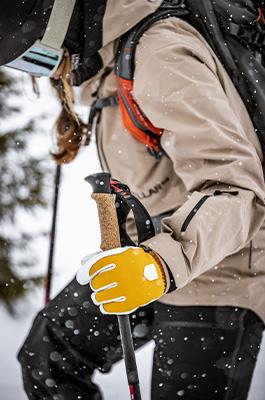
Gloves and mittens are essential to staying warm in the snow. Gloves provide better dexterity while mittens provide more warmth. If you’ve tried both but are not sure which to go with, try a three-finger or trigger mitt. These allow your thumb and pointer finger to move independently like a glove, but keep the other fingers together like a mitt for extra warmth.
Features to Consider
- Wrist Leash – Some gloves and mittens come with a wrist leash, or you can purchase these separately. Wrist leashes prevent you from dropping your gloves or mitts on the lift or around the mountain.
- Hand Warmer Pocket – Some gloves and mittens have a small pocket on the top of the hand for hand warmers. This provides good warmth to your fingers without the hand warmers getting in the way. It’s also a great spot for RFID lift passes if your jacket doesn’t have a pass pocket.
- Leather Reinforced – Look for gloves and mittens with leather reinforced palms and fingers for extra durability and protection from wind and cold.
- Glove Liners – Adding a glove liner provides extra warmth and additional protection from the cold when you take your gloves off. Some gloves and mitts come with liners, others can be purchased separately.
Just like outerwear, gloves and mittens come in different levels of waterproofing. Consider the conditions you typically find yourself in and how much time your gloves spend in the snow when choosing your next glove or mitten.
Hats
A lot of body heat escapes through our head, so a warm hat is ideal during the dead of winter. Some hats have a lining for extra warmth around the ears, and some even double-lined throughout to trap extra heat.
If you’re planning to wear a hat while skiing, it’s important to choose a thin cap. Normal knit hats can be bulky and prevent your helmet from fitting properly. A thin cap will strap heat without providing too much bulk.
Neck Gaiters
Neck gaiters provide extra warmth, especially on super windy days. There’s a ton of different options from heavyweight fleece to thin synthetic, quick-dry options. You can even find ski mask balaclavas that go under your helmet to provide even more warmth to your face.
Final Thoughts
Layering ski clothes effectively is key to staying warm, dry, and comfortable in all mountain conditions. By building a system with a moisture-wicking base layer, an insulating midlayer, and a protective outer layer, you can adapt to changing weather and activity levels throughout the day. And with the right ski layering system, you’ll be free to focus on skiing, rather than your gear. Invest in quality gear and layer smart, and you’ll be ready for whatever the slopes throw your way.

Categories:
Buying Guide
|
Skills & Advice
Tagged: How To, Layering, Clothing