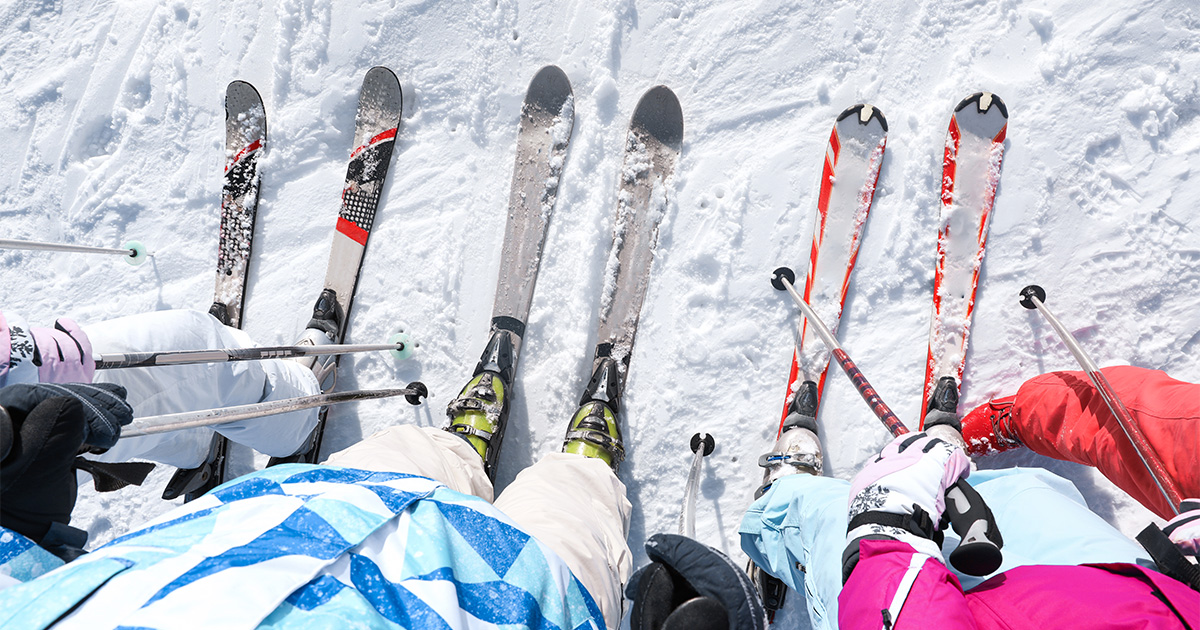
 How to Buy Used Ski Equipment: What to Look For in Skis, Boots, and Bindings
How to Buy Used Ski Equipment: What to Look For on Skis, Boots, and Bindings
Posted
by
Skis.com
on Monday, July 13, 2026
Buying used ski gear is one of the smartest ways to get quality gear without paying full price, but it comes with a few risks that are worth knowing before you start shopping.
For families, recreational skiers, or anyone who doesn't need the latest technology, the used market offers a real opportunity to get well-made gear at a fraction of the cost, but not all used ski equipment is created equal. Hidden damage isn't always obvious to the untrained eye. Some gear may need repairs before it's safe to use, and certain equipment, no matter the price, simply isn't worth buying secondhand. Knowing what to inspect, what to avoid, and where to shop is the difference between a great deal and an expensive mistake.
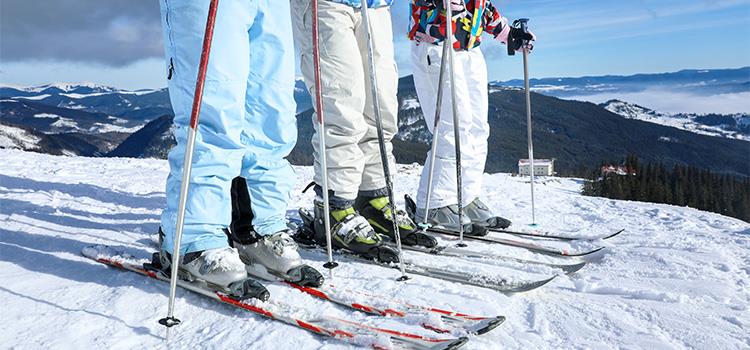
Pros and Cons of Buying Used Gear
The cost of outfitting yourself or a family for skiing adds up fast. Buying used can cut that cost significantly, especially for beginner to intermediate gear or equipment for kids who are still growing.
That said, used ski equipment comes with real tradeoffs. Hidden damage isn’t always obvious to the untrained eye, and some gear may need repairs before it’s ready to be used. Older equipment can also be difficult or impossible to service. Going in with the right knowledge protects both your investment and your safety.
Where to Shop
Not all sources are equal. Buying from a ski shop or ski retailer like Skis.com is the most reliable option for used gear. Shop-sourced equipment has typically been inspected and the staff can answer questions about age, condition, and compatibility. Consignment shops, friends, and online marketplaces like eBay and Facebook Marketplace can also have good ski deals, but require a more careful eye since there’s a greater chance the gear hasn’t been vetted.
Looking for used skis? Shop our selection of used demo skis.
What to Look For When Buying Used
Regardless of where you shop, here are some key things to look out for when shopping for second-hand ski equipment.
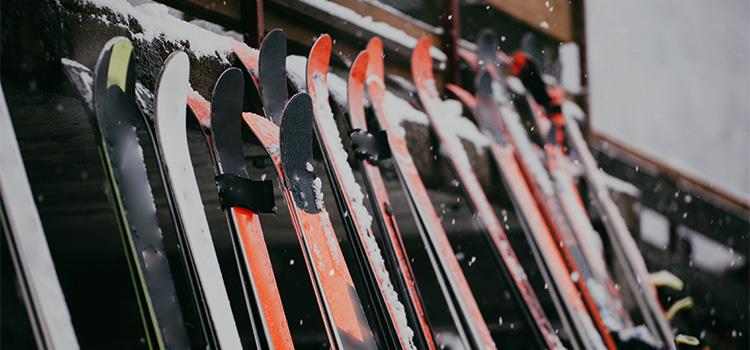
Skis
Skis are generally the most forgiving used purchase, but a thorough inspection is still important.
Top Sheet
Examine the top sheet and look for deep scratches that go beyond the surface layer. Cosmetic scratches on the ski’s top sheet are normal and expected on used skis, but you’ll want to avoid major gouges or delamination. Any damage that goes beyond the top sheet can allow moisture to work its way into the core of the ski, which can cause structural damage over time.
Sidewall
Run your hands along both sidewalls of the skis looking for any cracks and damage. Sidewall cracks, even small ones, tell us that the ski most likely had some sort of impact damage and there’s potential that the core is compromised. It's best to avoid these skis altogether.
Edges
The ski edges should be smooth, rust-free, and free of cracks or bends. Some light surface rust, minor scratches, and slight dings in the edge can be addressed with a basic tune. What you’ll want to avoid is deep rust, cracks in the edge, or sections of the edge that are bent, wavy, or missing. This would require extensive repairs and will most likely outweigh the savings of buying used.
Base
The base of the ski should be relatively smooth. With used skis, it’s expected that there are some scratches and surface gouges in the base, but if the skis look pretty beat up or you can see part of the core material exposed, more significant repairs will be needed. In most cases, it's not a reason to avoid those skis, but it's something you’ll want to factor into the cost.
Bindings
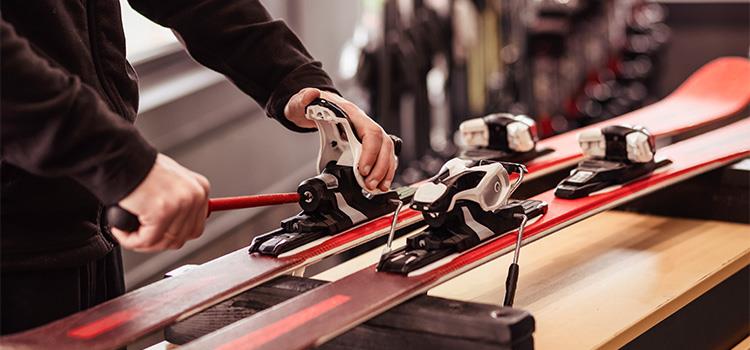
Bindings are the trickiest part of buying used ski equipment.
Age
Bindings have a finite lifespan, both in terms of wear and serviceability. Ski technicians work from an annual list of bindings they're approved to work on. Once a binding ages off that list, it's considered non-indemnified: the manufacturer no longer certifies it as safe, and no certified shop will mount, adjust, or test it, which is a major safety concern.
As a general rule, look for bindings that are less than 10 years old, but ideally in the two to four year range. This gives you several more seasons that the bindings is still supported and serviceable. When in doubt, ask your local ski shop and have a technician weigh in before you purchase. All used skis on Skis.com are sold with indemnified bindings, so that part is already handled.
Compatibility
Once you determine the ski bindings are in good condition, compatibility is next. It’s important that the bindings are compatible with your ski boots. Specifically, if you’re using GripWalk-soled boots, they require GripWalk-compatible bindings. Mismatched bindings and boots are a safety risk and a detail that's easily overlooked when buying used.
To check whether a binding is GripWalk-compatible, look for an indication on the binding's toe piece. It should have a sticker or stamp that says GripWalk or GW, MNC (which stands for Multi-norm compatible), or Sole.ID (or Sole). If they're not compatible with your current setup, it's not the end of the world. Most ski boots have removable soles that can be swapped out so your boots are compatible with your bindings, but it may be harder to find the right soles for older boots.
Adjustment
It's also worth paying attention to how the bindings are mounted. Track-mounted bindings sit on an adjustable rail system, making binding adjustments straightforward at any ski shop. Drilled bindings offer some flexibility, but if your boot size is significantly different from the previous owner's, a remount may be necessary. Before buying, ask how many times the skis have been drilled. A ski can only be drilled three times. After that, the integrity of the ski is affected.
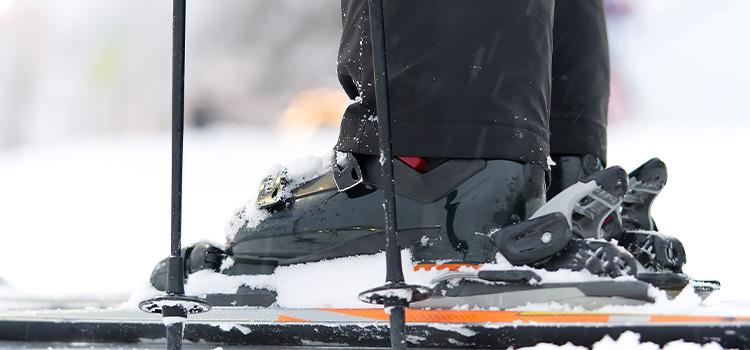
Ski Boots
Ski boots are highly personal, and buying used requires as much attention to how they fit as to their overall condition.
Know Your Size
Ski boot sizing is measured in mondopoint, the length of your foot in centimeters, not in standard shoe sizes. This is something you can measure at home or by going to a local shop to get sized. Ski boots also come in different widths, so it’s important to know your size and width, along with an understanding of how a ski boot should fit. If you’re unsure, check out our buying guide, How to Pick the Right Ski Boots.
Shell Condition
Inspect the ski boot shell carefully. Older plastic becomes brittle and can crack under stress. Cloudy or yellowing plastic is a telltale sign of age. Any warping, cracks, or visible damage to the shell is a red flag.
Ski boots have a lifespan of about 150 days of skiing. Over time, ski boots soften and no longer provide the quality and performance they once had, so take time to talk to the seller and inspect the boots. And don't forget to check for any bent or broken buckles. Most times, these can be fixed, but they should be factored into the cost.
Boot Soles
Check the toes and heels for wear. Beyond the added cost of replacing them, heavily worn soles are often a sign that the boots have seen significant use, which raises questions about the condition and lifespan of the boots. Replacement soles exist for most boots (some boots have fixed soles, and once the plastic is worn, there's nothing that can be done), but availability gets harder as boots age, and unless the price reflects the additional work needed, it's usually a sign to keep looking.
Liners
Check to see how compressed the liners feel. A heavily packed out liner will have compressed too much that it’s lost its insulation and cushioning, which affects warmth, fit, and comfort. Liners are replaceable, but at that point, it's common that the life of the shell is also near the end and worth looking elsewhere.

Ski Clothes
Ski clothing is a great piece of equipment to buy used. When shopping for used clothes, look out for any major damage and dirt. Both are fixable, but should be considered in the cost.
Some things, like a small hole can be patched and ski clothing can be washed. Even if the ski clothing comes washed from its previous owner, it’s a good idea to use a tech wash and re-waterproofing to bring the jacket or ski pants back to top-notch condition.
What Not to Buy Used: Ski Helmets
This is one area where buying used is not recommended. There’s no reliable way to assess how many falls a used helmet has been in and whether the interior foam has been compressed and compromised. Foam can degrade from a single hard impact without any visible exterior damage. Also, over time, the plastic of helmets becomes more brittle, the foam loses density, and components wear down. For something that’s designed to protect your head, it’s worth buying new.
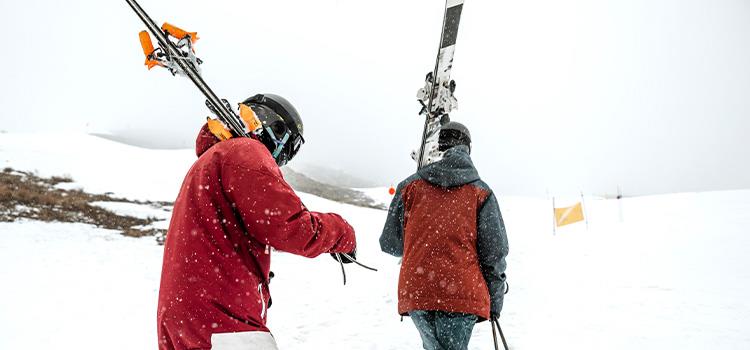
Buying used ski equipment is a smart move when done carefully. Skis offer the most value as secondhand purchases, provided you know what to inspect, especially with ski bindings. Boots are more unique to each person, so extra diligence is important to ensure they will work for you. And helmets should always be purchased new. When possible, loop in an expert, both as a source for used gear and as a resource for evaluating what you find elsewhere. A quick inspection from an experienced technician can save you from a costly or unsafe mistake.
Categories:
Buying Guide
Tagged: Ski, Boots, How to Choose