 How to Choose the Best Ski Goggles
How to Choose Ski Goggles
Posted
by
Bianca Chang
on Monday, April 20, 2026
Choosing your next ski goggles doesn’t have to be complicated, but with so many lens colors, shapes, and features out there, it can feel overwhelming. The right pair of ski goggles can make a huge difference in how well you see on the mountain whether you're riding under bright bluebird skies or navigating flat light in a snowstorm.
The good news? Once you understand a few key factors like goggle shape, lens tint, and proper fit, you’ll be able to confidently choose ski goggles that match your conditions and your style.
Let’s break it down...
Goggle Shape
Ski goggles come in three main shapes: cylindrical, spherical, and toric. Each one impacts how the goggles look, feel, and perform.
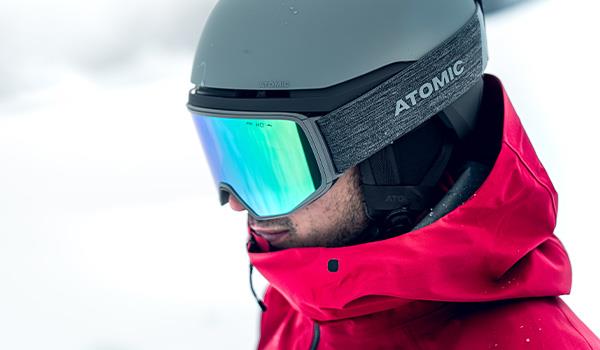
Cylindrical
Cylindrical ski goggles have a flatter, more classic shape. They curve left to right but remain flat vertically, allowing the lens to sit closer to your face. Cylindrical goggles are a popular choice since they typically start at a lower price point and have a more minimalist style, though one tradeoff with a cylindrical lens is a slightly more limited field of view compared to other ski goggle shapes.
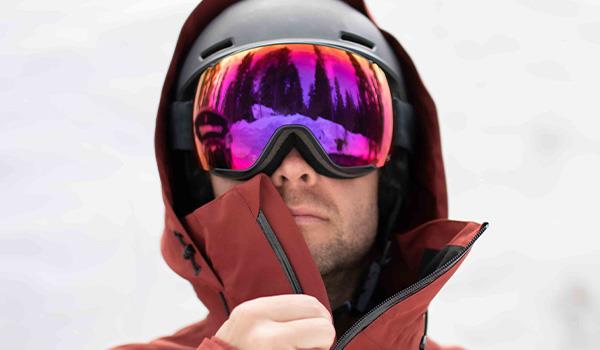
Spherical
If you’re looking for the best ski goggles for visibility, go for a spherical ski goggle. Spherical goggles curve both horizontally and vertically, giving them that “bubble” shape. This design helps increase your field of view and keeps the lenses an even distance away from your eyes, reducing eye fatigue without distorting your view.
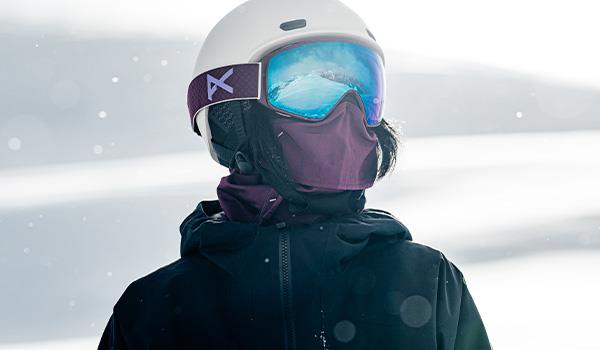
Toric
For the best of both worlds, consider toric ski goggles. This newer lens shape blends the performance of spherical lenses with the streamlined look of cylindrical designs. Toric lenses curve both horizontally and vertically, but with a less aggressive vertical curve, giving you improved peripheral vision and reduced distortion without the bulky “bubble” feel.
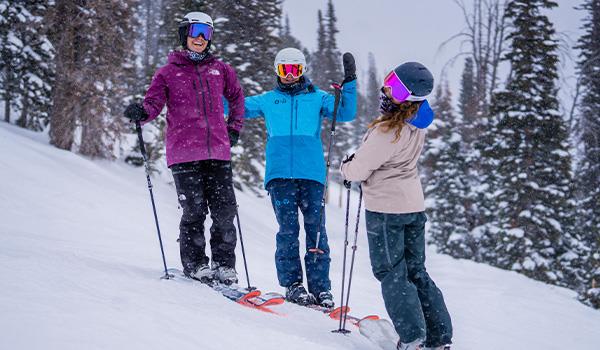
Lens Tint and Color
This is where most of the decision-making takes place and for a good reason. Your ski goggle lens tint and color directly affect how well you can see in different weather and light conditions. When it comes to choosing the best ski goggle lens, think about the conditions you ski most often: bright sun, mixed light, overcast, or night skiing.
VLT
A key term to know when shopping for ski goggles is VLT, or visible light transmission. VLT measures the percent of light that passes through the lens. The VLT scale is from 0-100%, with the lower numbers allowing the least amount of light through, which is perfect for super sunny days, while higher numbers allow more light through for cloudy, overcast, and night conditions.
4 - 8%: Bright Sun, Bluebird Day
8 - 20%: Mostly Sunny
20% - 40%: Partly Cloudy, Variable Conditions, Good All-Around Lens
40% - 80%: Cloudy, Snowy, Mixed Conditions
80 - 100%: Heavy Snow, Cloudy, Night Skiing

S Rating
Some goggle brands simplify lens selection using an S rating system (S0–S4). S ratings start at 0 and go up to 4. The higher the S rating, the darker the lens tint and the less light that passes through.
S4: Bright Sun, Clear Skies
S3: Mostly Sunny
S2: Party Cloudy, Variable Conditions
S1: Flat light, Cloudy, Snowy and Mixed Conditions
S0: Heavy Snow, Cloudy, Night Skiing
Frame Size and Fit
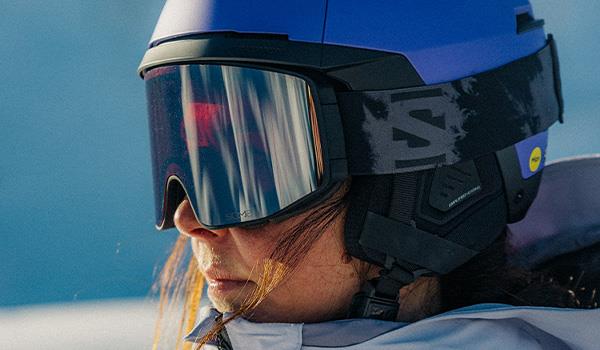
Regardless of what shape or lens tint you go with, it’s important that the goggles fit. Choosing the right frame size ensures the goggles fit comfortably on your face and with your helmet. You’ll want to avoid any gaps along the foam of the frame that can let in light along with cold air and wind. This can cause your goggles to fog up and even cause your eyes to water while skiing. Most brands offer small, medium, and large frame sizes so you can find the right fit.
Once you’ve nailed down shape, lens, and fit, here are a few extra features that can take your goggles to the next level:
Interchangeable Lenses
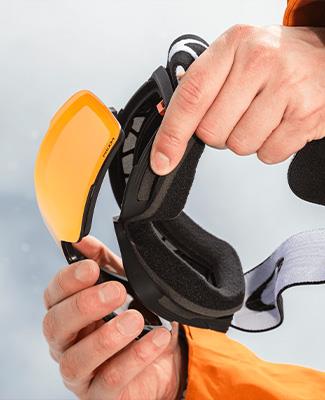
Most goggles have the option to swap out the lenses, and some even come with two lenses - one for bright, day time conditions and the other for cloudy, low-light. Interchangeable goggle lenses allow you to change your lenses based on the conditions rather than having to buy multiple goggles and also make it easy to replace scratched lenses.
If you’re considering a goggle with interchangeable lenses, you’ll also want to look for goggles with a quick-change lens system. Rather than trying to get lenses to line up into the grooves of the frame, most quick-change goggles use magnets and clips that snap the lens right in place, making lens changes painless and reducing unwanted scratches and fingerprints.
Photochromic Lenses
If you don’t avoid swapping lenses in and out all together, look for photochromic ski goggles. Photochromic goggles are like transition glasses that adapt to the light conditions. This is perfect if you’re skiing in the trees and pop out to an open bowl. Photochromic lenses are able to change with the light, making a seamless transition wherever you are on the mountain without you needing to carry extra lenses and stop to change them out.
The down side to photochromic lenses is they tend to be a bit more expensive than non-photochromic lenses and there is a slight delay adjusting from bright sun conditions to low-light.
Over the Glasses Goggles
For those who wear glasses while skiing, it’s important to look for over the glasses (OTG) ski goggles. OTG ski goggles have extra space to accommodate your glasses arms and frames. With larger glasses, cylindrical goggles and a larger frame size tend to work well.
Whether you’re choosing your first pair of goggles or looking to keep things simple, there’s three things to focus on: choosing your preferred ski goggle shape, determining the best lens tint for the conditions you’ll encounter, and choosing the appropriate goggle size to ensure a proper fit. Once you determine these factors, you can think about other features like interchangeable lenses, photochromic lenses, and OTG goggles. Finding the right pair of ski goggles isn’t just about what looks good, they’ll help you see better, ski confidently, and enjoy every run a whole lot more.
Categories:
Buying Guide
Tagged: Ski Accessories, How to Choose, Goggles